Gun dogs
Bird dogs, started and finished on real birds.
Pointing dogs handled off a horse and on foot, and a flushing side built around cocker spaniels snd Labradors. This is not an obedience program with a shotgun added at the end.

Where this comes from
This side of the business is the side I grew up in.
My father trained bird dogs in Pensacola for twenty-seven years and was, by most accounts around here, the man you took a dog to. I learned this work standing next to him before I was old enough to carry a gun.
I spent the years after that in wildlife management and guiding high-end hunts on premier private ground across Alabama, Georgia and Texas, and running dogs in high-level competition from Georgia to North Dakota, South Dakota, Kansas and Arkansas. Then I came home, to be closer to family and to do this within driving distance of the people I grew up around.
The pet side of Leeward pays the bills. The bird dogs are the reason there is a Leeward.

The pointing dogs
Find, point, hold, honor. In that order, without shortcuts.
Pointers, setters, German shorthairs, Brittanys and the crosses in between. The order matters more than the calendar does.
-
Manners and yard work
Recall, heel, kennel, and riding and loading. A dog you cannot handle in the yard is a dog you cannot handle at four hundred yards.
-
Whoa, taught not forced
Standing still under pressure is the whole game. Built on the check cord and the barrel or table first, proofed in the field second, never installed with a collar.
-
Birds, then the gun
Pen-raised birds to build desire and let the dog learn scent honestly, then staged gunfire, then more birds. Any flinch and we go backwards a step.
-
Steady to wing and shot
Holding through the flush and the report, and holding when the bird falls. This is the difference between a dog that hunts and a dog that is finished.
-
Backing and manners on other dogs
Honoring a bracemate’s point without being told, and running a brace without stealing points or cheating the ground.
-
Handling and range
Running to the front, handling at range, using the wind, working the edges and the objectives instead of running a straight line. Finished for a walking gun as well as for horseback.
The flushing side
Cockers and Labradors.
Almost everyone on this coast who wants a flushing and retrieving dog is told to buy a Labrador. For a lot of them, a well-bred cocker is the better dog and nobody ever said so out loud.
A cocker gets under the briar, the scrub and the palmetto that a big dog plows through or goes around. It quarters naturally inside gun range instead of being nagged back every thirty seconds. It has the retrieve built in, it will sit a dove field all afternoon, and it will work a boat blind or a timber hole without taking up the whole boat. Then it goes back in the house at thirty pounds.
Where a Labrador is the right answer — big cold water, long sustained retrieves, geese — I will say so, and Labradors are trained here too. I would rather lose the sale than put you on the wrong breed for the way you actually hunt.
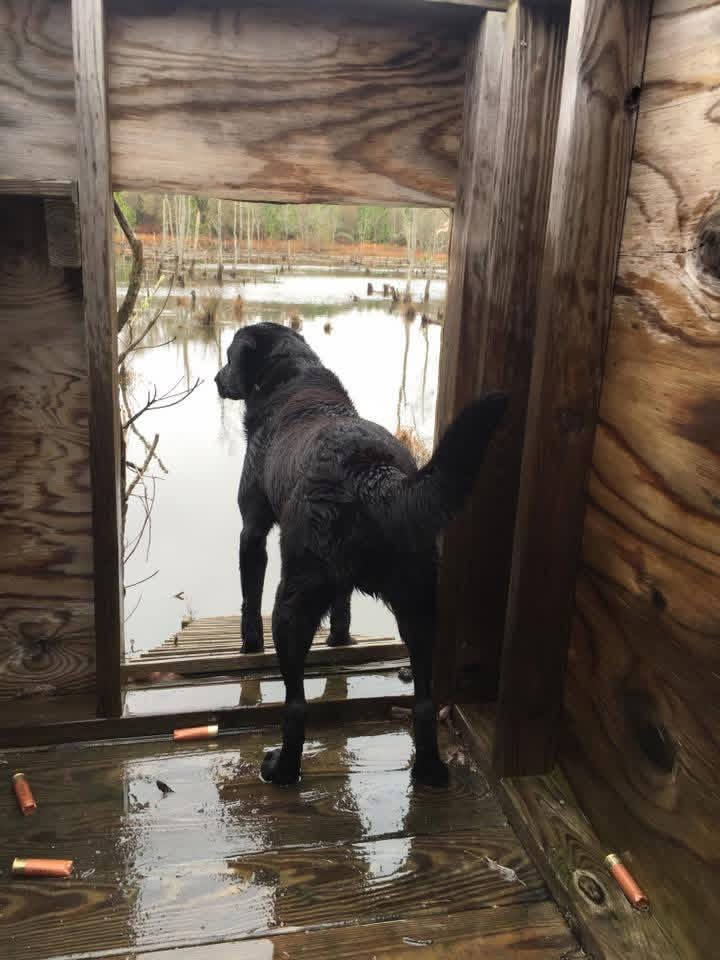
What the cocker work covers
Basic foundation is the start then quartering, flushing and retrieving.
-
Quartering inside gun range
Working the wind in a pattern you can shoot over, not a dog running its own hunt eighty yards out.
-
Hup and steadiness
Sitting to the flush and to the shot, and staying sat until sent. The single hardest thing to teach a dog that loves birds this much.
-
What the retriever work covers
Over all manners with an introduction to gunfire as well as marked and blind retrieves.
-
The next step-
Entries, decoys, a dog that will sit still and quiet in a boat while other people shoot. Progressing to hand signals with a dog deemed capable, not all dogs can make it this far.
Bird camp
Three tracks, plus competition. Priced per dog, not per week.
Unlike the pet programs, gun dog work will not fit a fixed price honestly — a started puppy and a broke dog headed to a trial are not the same job. Prices are quoted on the call, in writing, with the length of stay named up front.
8 weeks · pointing or flushing
Started bird dog
Yard work, whoa or hup, check cord, birds introduced, gunfire staged and accepted. Comes home a young dog you can hunt behind and finish yourself.
Most chosen
A season · pointing or flushing
Finished bird dog
Handling at range, backing and honoring other dogs and steady to wing and shot. For the dual purpose dogs- also experience hunting dead instead of moving on and delivery to hand. The dog you actually wanted when you bought the puppy.
2 to 3 weeks
Pre-season tune-up
For the broke dog that spent nine months on the couch. Conditioning, a refresher on steadiness and manners, and birds before opening day.
Handling and competition
A small number of dogs each season are campaigned and handled at trials and tests. Discussed case by case, and only for dogs that are ready to represent themselves.
Summer Camp
Every Summer the great exodus of Dog Men leave the plantations and field trial circuits to head North to escape the heat and turn young dogs and horses loose in the vast grass lands of the open prairies. Hours under saddle and miles under paw or hoof is the best way to see what dog and horse alike have the potential to achieve, separated in a way nothing other than the prairie can accomplish.
For the owners aspiring towards a top level competition dog, or the die hard hunter that wants a dog in shape and ready for the season with wild bird exposure Summer Camp on the prairie is an elite opportunity.
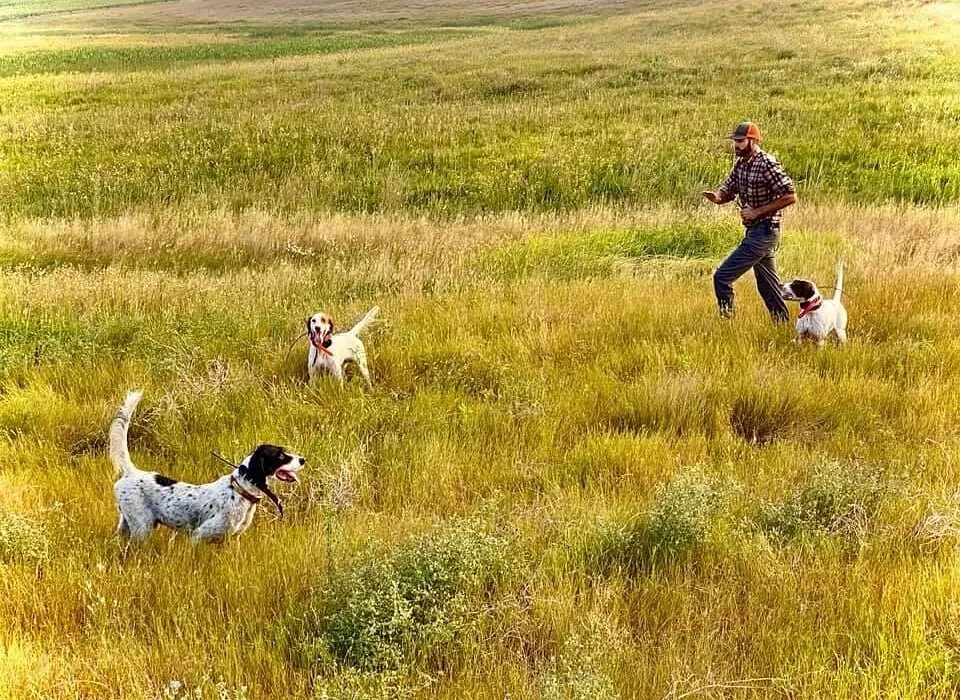
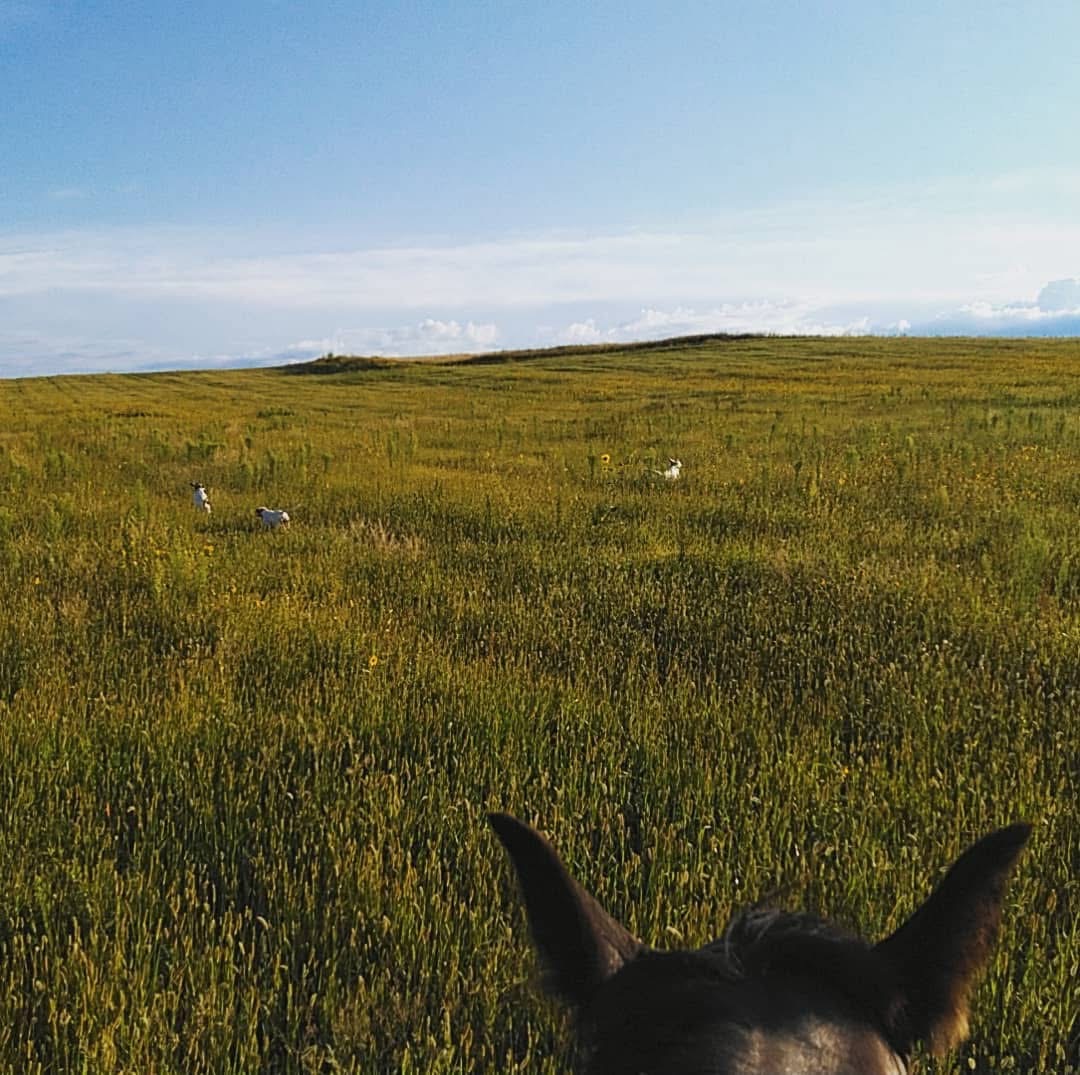
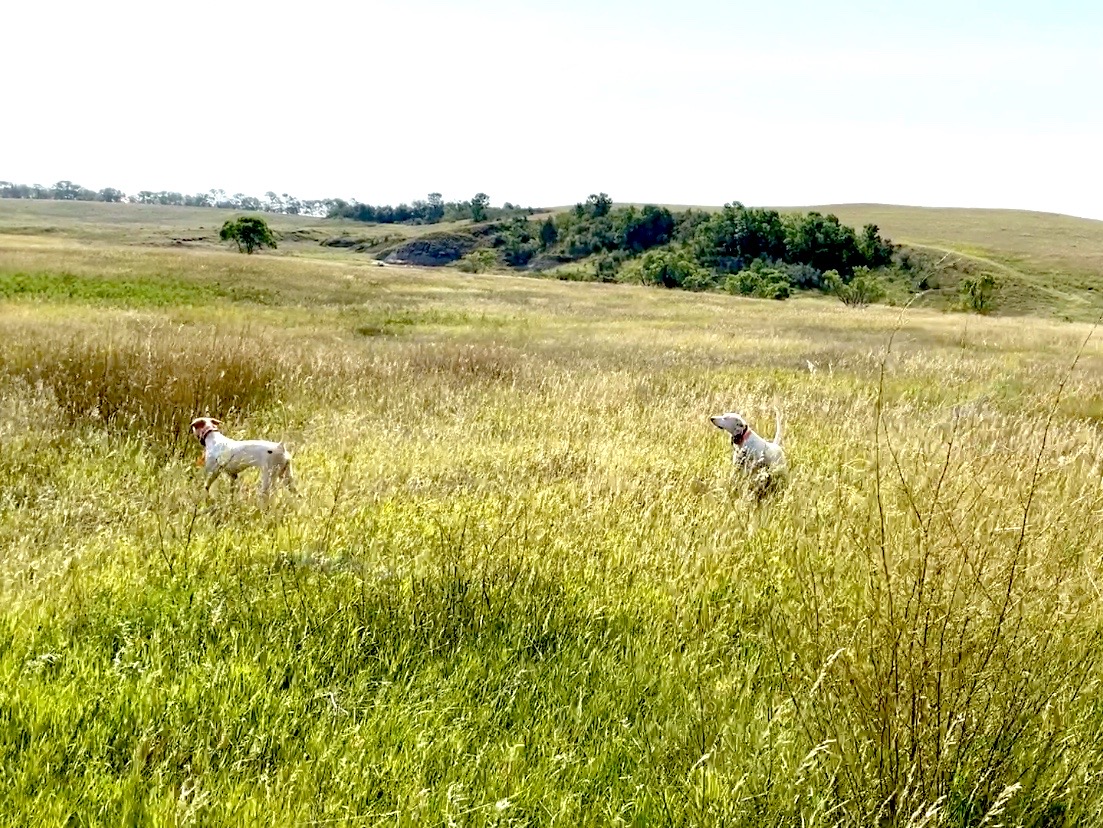
Dogs on the ground
Real dogs, real birds, real cover.
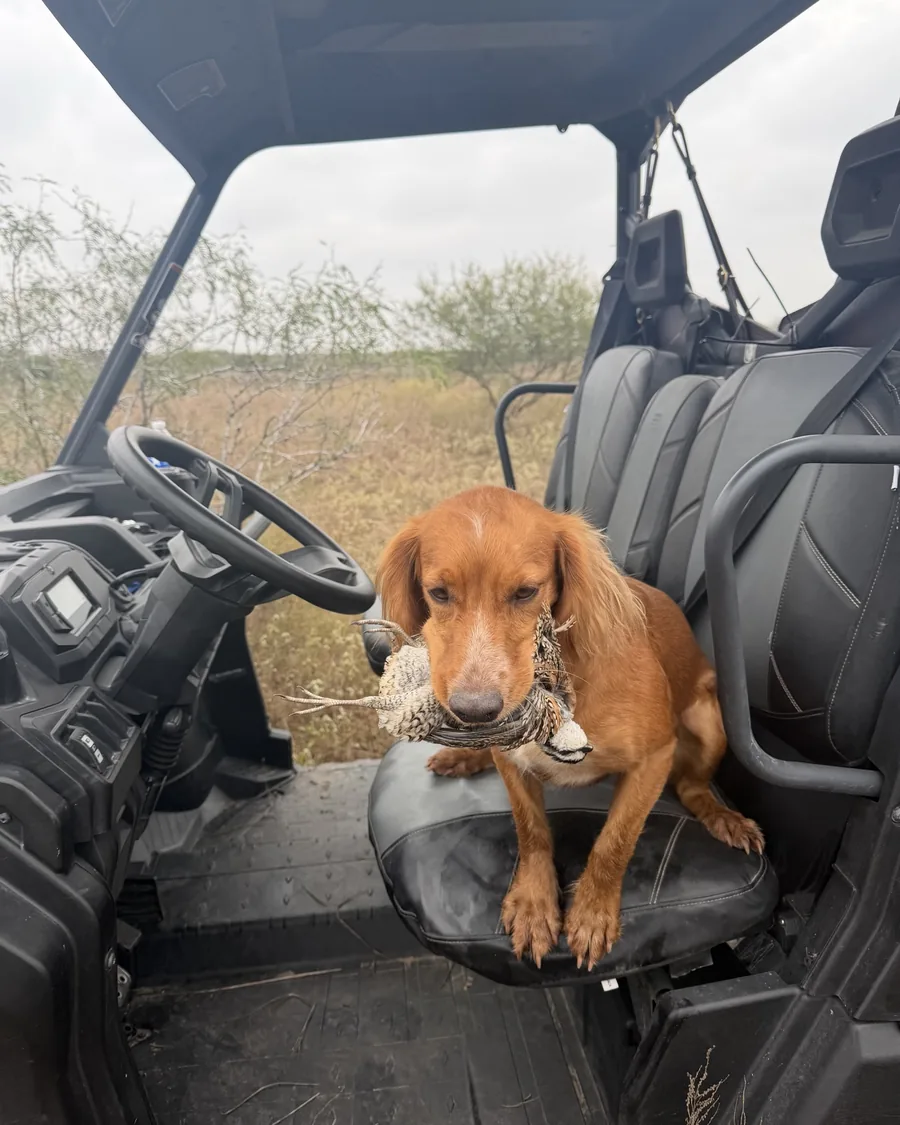
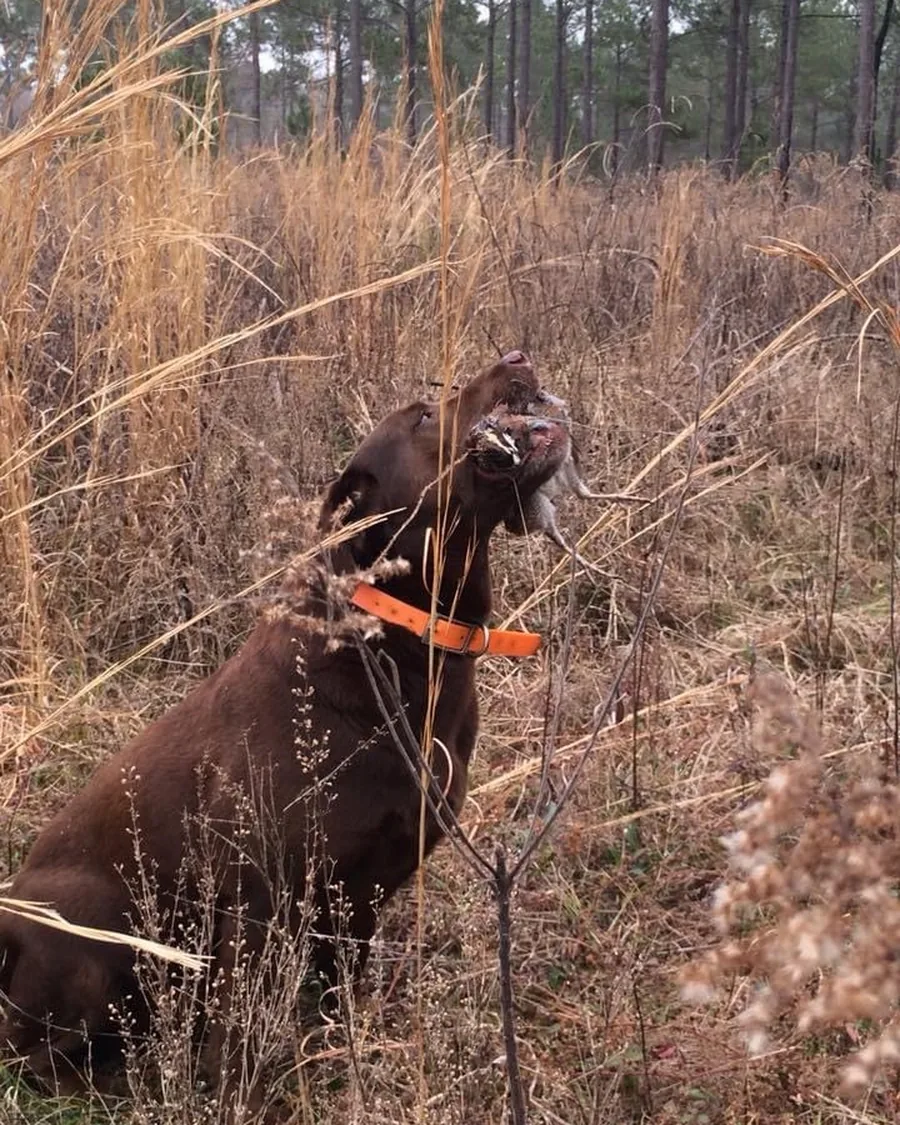
Every photograph on this page is a dog I have trained or handled.

Bama and Jan in Alabama 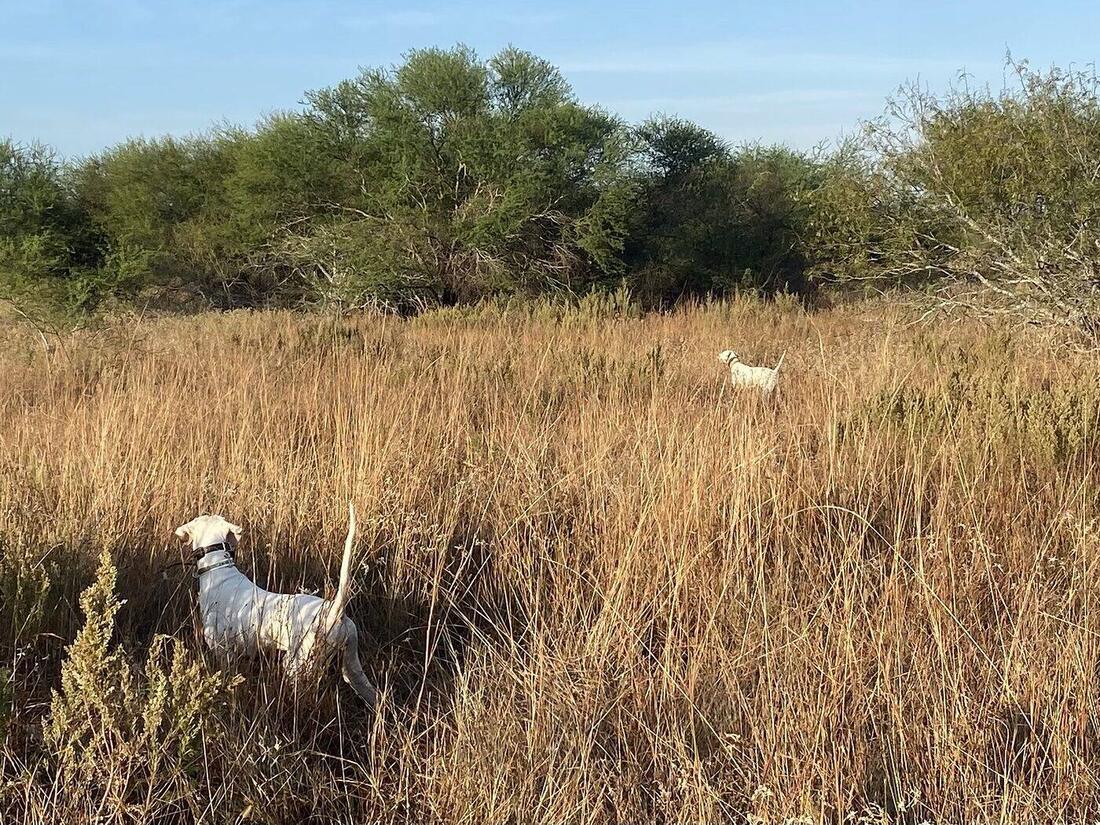
Lillian and Nikki in Texas 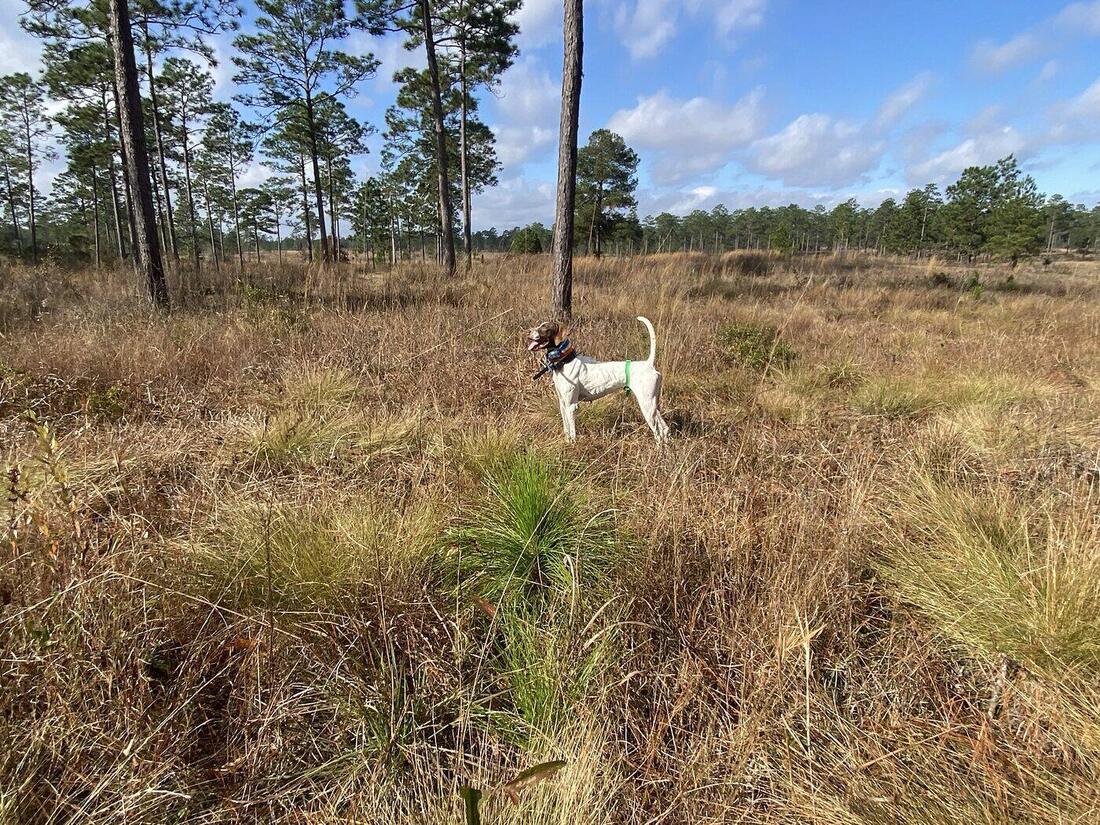
Joe in Georgia 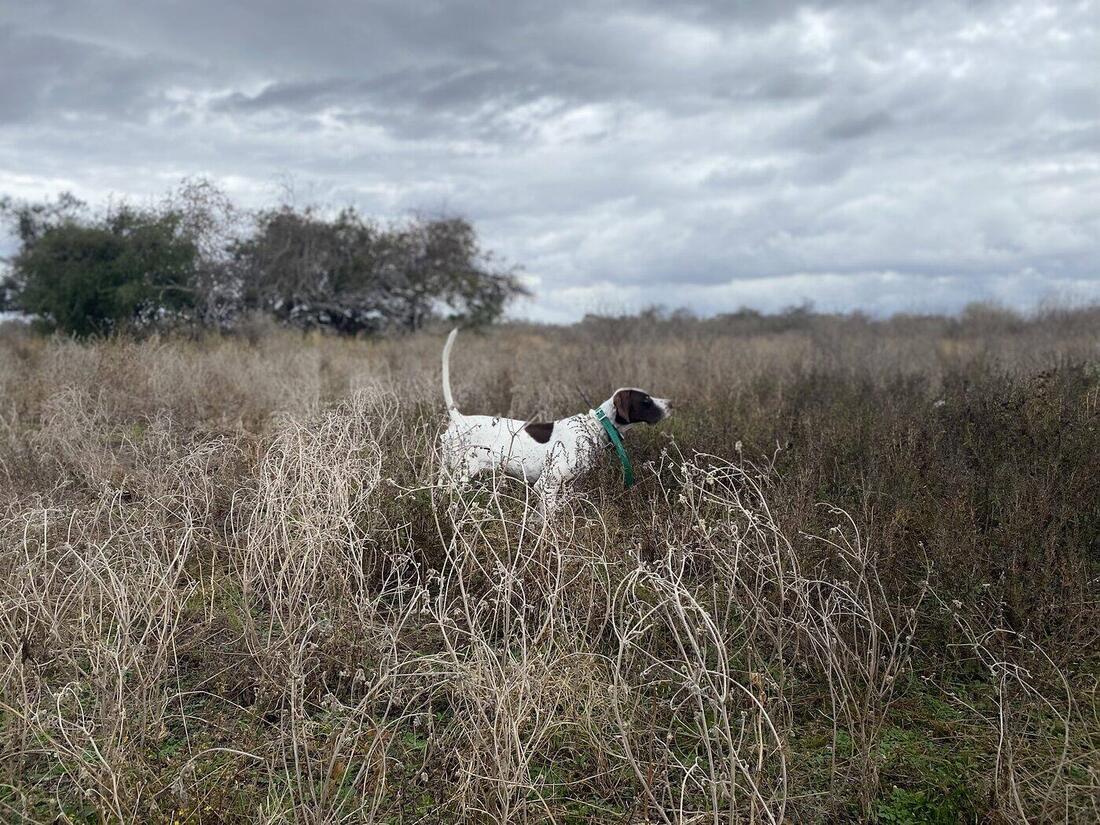
Spec in Texas 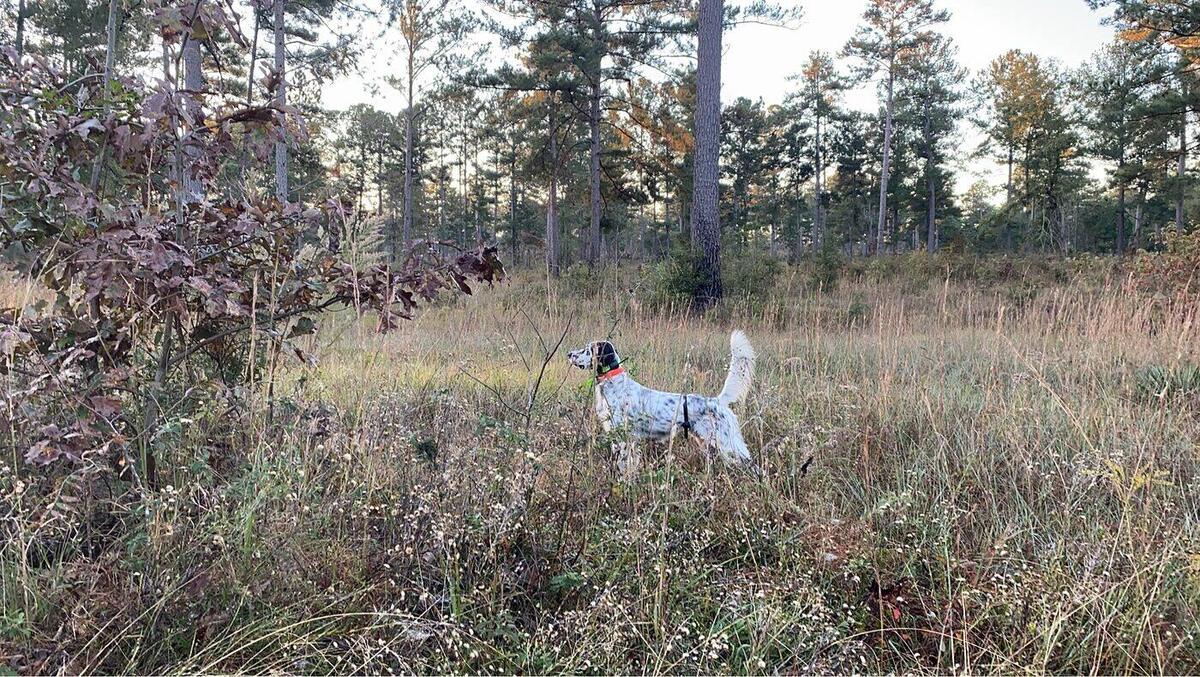
Duke in Georgia 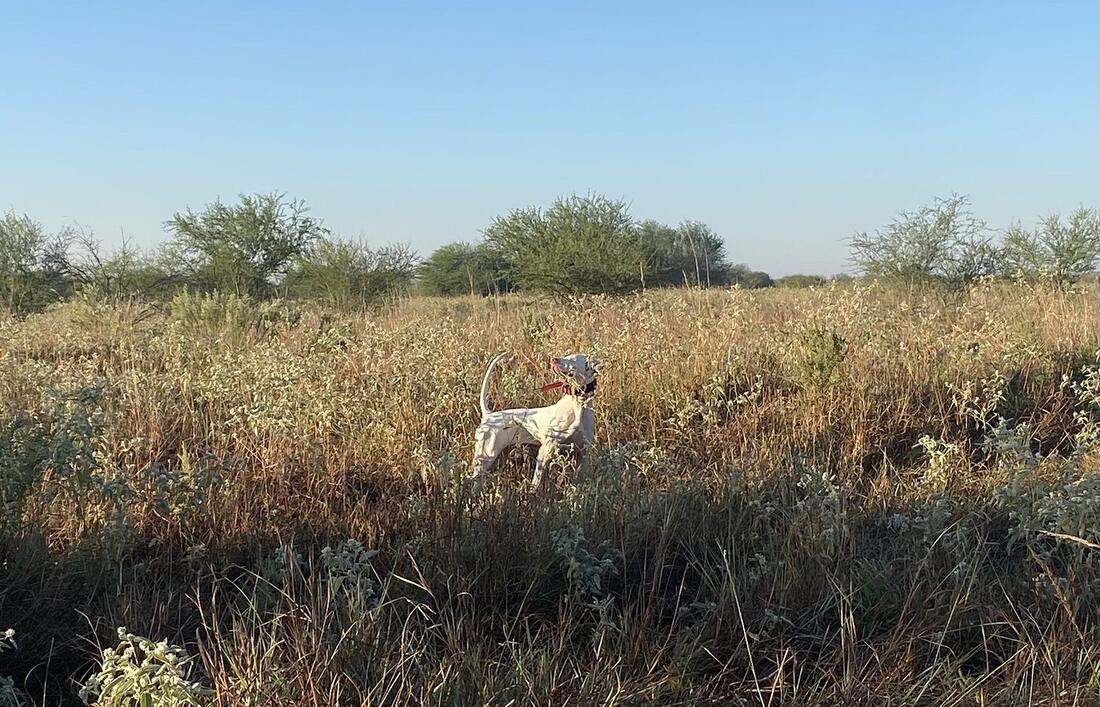
Lillian in Texas


Bird dog FAQ
Gun dog questions, answered plainly
Both, and the puppy is usually the better investment. Six to nine months is the window I like for a first bird camp: old enough to handle pressure honestly, young enough that nothing has been ruined yet.
Older dogs are welcome. Fixing a gun-shy dog, a dog that has learned to bust birds, or a dog that has been forced through fetch too early takes longer than starting clean, and I will tell you honestly on the call whether it is worth your money.
Slowly, and always paired with something the dog already loves. Nothing louder than a primer pistol at distance until the dog has associated the noise with birds in the air, then a .410, then a 20 and a 12 over the top of a flush.
There is no schedule on this. A dog that shows the first flinch goes backwards a step, not forwards. Gun-shyness is almost always made by a person in a hurry, and it is far easier to avoid than to repair.
Because for most of what people around here actually hunt — dove fields, quail, woodcock, a Delta duck hole, a boat blind — a good cocker does the job in a package that fits the cover, the truck and the house.
A cocker gets under the briar and the palmetto that a big dog plows through, hunts inside gun range without being nagged about it, and is genuinely biddable. It also comes back into the living room at the end of the day at thirty pounds instead of eighty.
That is not a slight on Labradors, and Labradors are welcome here. In big cold water, on long sustained retrieves, and on goose-sized birds, the Lab is still the right dog. I would rather tell you that than sell you the wrong breed.
Both, in that order. Pen-raised birds give me control: I can set a situation, repeat it and correct it. Wild birds give the dog the education, because a wild covey punishes every mistake and rewards patience.
A dog that has only ever seen planted birds looks finished right up until the first wild covey gets up sixty yards out. Getting dogs onto real birds on real ground is the part of this I care most about.
Both, depending on the dog and the ground. Horseback is how you handle a dog that runs big in longleaf and open country, and it is how you see enough of a dog to judge it fairly. Most owners hunt on foot, so every dog is finished to handle for a walking gun too.
Yes, and it should be. Every dog in bird camp goes through the same manners work every dog at Leeward gets: place, recall, crate, loading, riding, greeting people without coming unglued. A dog with no off switch in the house is not a finished dog.
Limited handling and competition work, discussed case by case. I have run dogs from Georgia to the Dakotas, Kansas and Arkansas, and I will only take a dog out that is ready to represent itself and you.
Six dogs at a time. Never more.
Tell me about your dog on a 20-minute call. If Leeward is not the right answer, I will tell you that on the call and point you somewhere better.
Currently booking: Call for availability